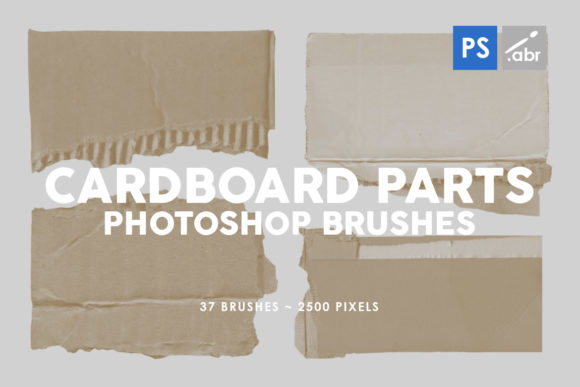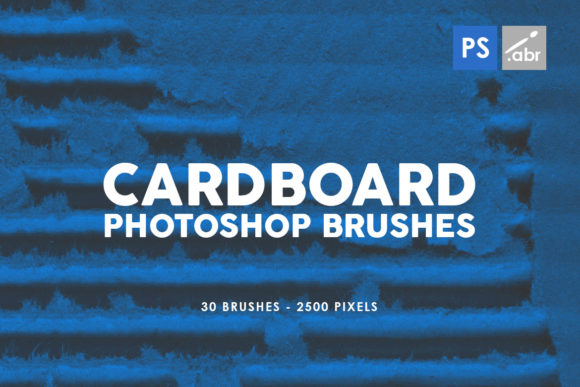
Strategic Visual Storytelling with 32 Classic Cardboard Parts PS Brushes
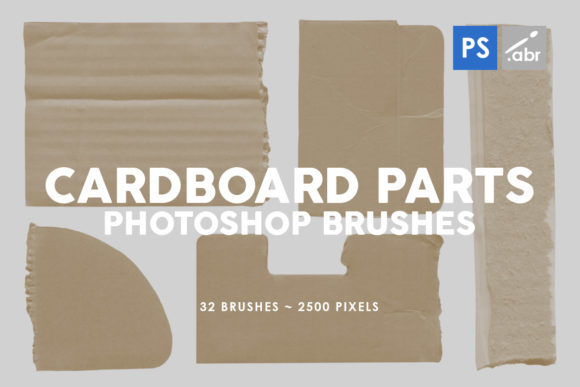
In the crowded landscape of digital design, the difference between a forgettable image and a compelling visual narrative often lies in texture. While vector graphics and sleek gradients have their place, they frequently lack the tactile warmth that connects with human emotion. This is where the 32 Classic Cardboard Parts PS Brushes become an invaluable asset for professionals seeking to elevate their creative output. These are not merely decorative stamps; they are strategic tools designed to introduce realism, depth, and a distinct analog aesthetic into digital projects. Compatible with Photoshop CS2 through CC and beyond, this collection offers high-resolution imagery at 2500 pixels, ensuring that every application maintains crisp detail regardless of the canvas size.
For entrepreneurs, marketers, and content creators, the decision to incorporate textured elements like cardboard into a visual strategy should be intentional. It signals a shift away from the sterile perfection of corporate stock photography toward something more grounded, authentic, and approachable. When utilized correctly, these brushes can transform a standard promotional graphic into a piece of art that invites closer inspection, thereby increasing engagement and retention.
Elevating Brand Positioning Through Tactile Aesthetics
Brand positioning is fundamentally about perception. How do you want your audience to feel when they encounter your message? If your brand values sustainability, craftsmanship, or a "back-to-basics" philosophy, the visual language must reflect those ideals. The 32 Classic Cardboard Parts PS Brushes provide an immediate visual shorthand for these concepts. Cardboard is universally associated with packaging, shipping, and raw materials. By overlaying these textures onto your digital assets, you subtly communicate themes of logistics, eco-friendliness, or handmade quality without uttering a single word.
Consider a small business owner launching a line of organic products. Using smooth, glossy backgrounds might inadvertently suggest artificiality. However, applying a subtle cardboard grain from this brush set to the background of a product mockup can reinforce the natural origin of the goods. This alignment between visual texture and brand value creates a cohesive experience that builds trust. It is a practical example of how a simple design choice supports broader business goals, turning a static image into a communication tool that reinforces your market position.
Practical Applications Across Industries
The versatility of high-resolution stamp brushes extends far beyond simple background fills. Because these 32 Classic Cardboard Parts PS Brushes are provided as individual stamps rather than seamless patterns, they offer granular control over composition. This allows for a wide range of applications across different sectors:
- Digital Photo Manipulation: Photographers can use these brushes to blend subjects into new environments seamlessly. A portrait taken in a studio can be grounded in a rustic setting by adding cardboard edges or torn paper effects, creating a collage-style aesthetic that feels curated and artistic.
- Game Asset Creation: Indie game developers often require unique textures for user interfaces or environmental props. These 2500-pixel images can serve as the basis for inventory screens, dialogue boxes, or in-game signage, providing a consistent visual theme that distinguishes a game from generic fantasy tropes.
- Social Media Content: In an era where scroll-stopping power is crucial, marketers can use these overlays to create depth in Instagram stories or LinkedIn carousels. Adding a torn cardboard edge to a quote graphic makes it stand out against the flat designs that dominate feeds.
- Packaging Prototypes: Before committing to physical printing costs, designers can use these brushes to simulate how a logo or label will look on actual corrugated material. This aids in decision-making during the prototyping phase, allowing for rapid iteration and visualization.
Strategic Implementation and Workflow Efficiency
Adopting new resources into a workflow requires a thoughtful approach to ensure they enhance productivity rather than clutter it. The primary advantage of the 32 Classic Cardboard Parts PS Brushes is their readiness. With 32 distinct variations included, designers have a diverse palette at their fingertips, eliminating the time-consuming process of sourcing, downloading, and isolating cardboard textures from stock photography sites. This efficiency is critical for freelancers and agencies operating under tight deadlines.
To maximize the utility of these brushes, one must consider the context of the project. Blindly applying a texture can result in a muddy or distracting final image. Instead, approach the usage with a specific goal in mind. Are you trying to obscure a distraction in a photo? Are you aiming to unify disparate elements in a composite? Or are you simply adding noise to break up large areas of flat color? Answering these questions before opening Photoshop ensures that every brush stroke serves a purpose.
Furthermore, the high resolution of 2500 pixels means these brushes are scalable. You can apply them to large-format prints or high-definition screens without worrying about pixelation. This future-proofs your assets, allowing you to repurpose a single design for both a web banner and a trade show poster. For educators teaching digital art, this collection serves as an excellent resource for demonstrating layer blending modes, masking techniques, and the importance of texture in composition.
Risks of Unintentional Design Choices
While powerful, textured overlays carry risks if used without discretion. The most common pitfall is over-saturation. Applying heavy cardboard textures to every element of a design can make the final output feel dirty, aged, or unprofessional, depending on the intended message. If your brand stands for cutting-edge technology or medical precision, a gritty cardboard overlay might send the wrong signal, suggesting obsolescence or lack of care.
Another risk involves contrast and readability. When using these brushes as backgrounds for text-heavy graphics, such as blog headers or advertisement copy, it is essential to ensure the texture does not interfere with legibility. A strategic approach involves lowering the opacity of the brush layer or using blending modes like "Multiply" or "Overlay" to integrate the texture subtly rather than letting it dominate the visual hierarchy. Always test your designs on multiple devices to ensure the texture enhances rather than hinders the user experience.
Long-Term Value and Creative Growth
Investing in quality assets like the 32 Classic Cardboard Parts PS Brushes is an investment in your creative vocabulary. Over time, mastering the use of texture allows you to develop a signature style that sets your work apart. Clients and audiences begin to recognize the depth and thoughtfulness in your compositions, leading to stronger professional relationships and increased demand for your services.
Moreover, these brushes encourage experimentation. Because they are compatible with all versions from CS2 to the latest CC releases, they remain a stable part of your toolkit regardless of software updates. This longevity is rare in the fast-paced world of digital tools. Whether you are a hobbyist exploring digital collage for the first time or a seasoned art director refining a campaign, having reliable, high-quality textures available encourages you to take creative risks that can lead to breakthrough ideas.
Ultimately, the value of these brushes lies in their ability to bridge the gap between the digital and physical worlds. In a screen-dominated existence, humans crave tangible connections. By integrating the rough, fibrous look of cardboard into your digital art, you tap into a sensory memory that resonates on a subconscious level. This is not just about making things look "cool"; it is about making them feel real.
Making the Decision to Integrate Texture
Before adding these tools to your library, evaluate your current project pipeline. Do you frequently work on projects that benefit from an organic feel? Are you looking for ways to differentiate your visual content from competitors who rely on clean, flat design trends? If the answer is yes, then the 32 Classic Cardboard Parts PS Brushes offer a logical solution. They are a low-cost, high-impact addition that can immediately upgrade the perceived quality of your work.
Remember that the best tools are those that disappear into the workflow, enabling you to focus on the bigger picture. These brushes are designed to be intuitive. Load them, select the shape that fits your composition, and stamp. The simplicity of the mechanism allows you to focus on the strategy behind the design. Whether you are building a brand identity, creating marketing materials, or producing personal art, let the texture serve the story you are telling. By using these resources intentionally, you move beyond random decoration and toward purposeful, impactful design.