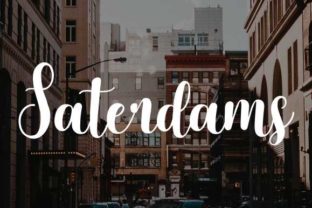
Evaluating Saterdams: A Hand-Brushed Typeface for Distinctive Branding
In the landscape of modern typography, finding a font that balances artistic expression with functional legibility is a common challenge for designers and business owners. Saterdams emerges as a notable option in this space, defined specifically as an original hand-brushed typeface. Unlike geometric sans-serifs or traditional serifs that rely on mathematical precision, this font family mimics the organic texture and variable stroke width of a physical paintbrush. Understanding the specific characteristics of Saterdams is essential for anyone considering it for invitations, labels, menus, logos, wedding cards, or magazine layouts.
The Characteristics of Hand-Brushed Typography
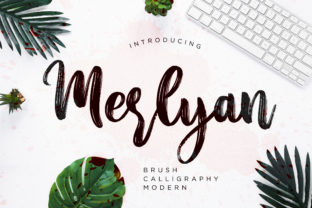
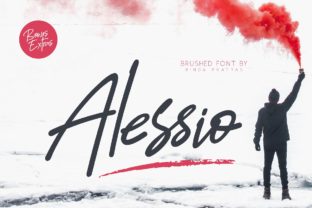
To evaluate whether Saterdams fits a specific project, one must first understand the nature of hand-brushed lettering. This style is characterized by high contrast between thick and thin strokes, often resulting from the pressure applied during a brushstroke. The edges of the letters typically possess a slight irregularity or texture, simulating the interaction between bristles and paper. Saterdams captures this aesthetic digitally, offering a striking style that feels personal and crafted rather than manufactured.
The primary appeal of such a typeface lies in its ability to convey warmth and authenticity. In a digital environment saturated with clean, vector-perfect fonts, a hand-brushed style introduces a human element. It suggests that care was taken in the creation of the brand or event, which can be particularly effective for industries rooted in craftsmanship, hospitality, or personal celebration.
Ideal Applications and Use Cases
When selecting a typeface, context is paramount. Saterdams is frequently cited as a strong candidate for several specific applications where personality takes precedence over dense information delivery.
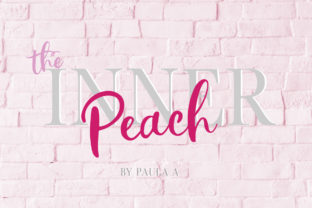
- Wedding Cards and Invitations: The romantic and bespoke feel of hand-brushed scripts aligns perfectly with wedding stationery. It adds a touch of elegance without the stiffness of formal calligraphy.
- Logo Design: For boutique brands, cafes, or artisanal product lines, a logo set in Saterdams can establish a unique visual identity that stands out against competitors using standard corporate fonts.
- Menus and Labels: In the food and beverage industry, this typeface works well for headers on menus or packaging labels. It evokes a sense of fresh ingredients and handmade quality.
- Magazines and Editorials: When used for pull quotes or section headers in lifestyle magazines, the striking style of Saterdams can break up text blocks and add visual interest.
However, the suitability of Saterdams extends beyond mere aesthetics. Designers must consider how the font interacts with other elements in a layout. Because of its expressive nature, it often serves best as a display font—used for headlines and short phrases—rather than for body text.
Benefits and Strategic Advantages
Adopting Saterdams offers several strategic advantages for branding and communication. First, it provides immediate differentiation. Many businesses rely on overused system fonts or generic Google Fonts; utilizing a distinctive hand-brushed typeface helps a brand carve out a unique niche. Second, it enhances emotional connection. The imperfections inherent in brush styles make the content feel more approachable and less corporate, which can foster trust with consumers looking for authentic experiences.
Furthermore, the versatility of the style allows it to adapt to various color palettes and textures. Whether printed on kraft paper for a rustic look or embossed on luxury cardstock, the variable stroke widths of Saterdams tend to retain their character across different mediums.
Tradeoffs and Legibility Considerations
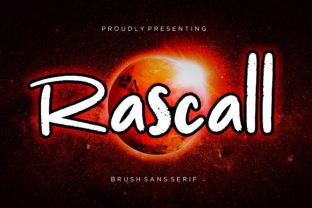
While the artistic merits of Saterdams are clear, there are practical tradeoffs that must be weighed. The very features that make it striking—irregular edges and high contrast—can impact legibility, particularly at smaller sizes or on low-resolution screens. Hand-brushed fonts often struggle when used for long paragraphs or small print, such as ingredient lists or terms and conditions.
Designers should also be cautious regarding kerning and spacing. Organic fonts sometimes require manual adjustment to ensure that letters do not collide or appear too distant from one another, a issue less prevalent in mechanically constructed typefaces. Additionally, the "striking style" may clash with minimalist or ultra-modern design systems that prioritize neutrality. If a brand's voice is strictly utilitarian or technical, the expressive nature of Saterdams might send a conflicting message.
Comparing Alternatives
When deciding if Saterdams is the right choice, it is helpful to compare it against alternatives. If the goal is maximum readability for digital interfaces, a clean sans-serif or a highly legible serif might be a superior choice. Similarly, if the project requires a formal, traditional tone (such as legal documentation or high-end banking), a classic script or a structured serif font may be more appropriate than the casual flair of a hand-brushed style.
Conversely, if the objective is to mimic handwriting exactly, a true script font with connecting ligatures might be preferred over the disjointed, painted look of Saterdams. The decision ultimately rests on the specific emotional tone the designer wishes to evoke: is it the precision of ink, the flow of a pen, or the boldness of a brush?
Practical Decision-Making Insights
To determine if Saterdams aligns with your goals, consider the following evaluation criteria:
- Audience Expectations: Does your target audience respond well to artisanal and creative visuals, or do they prefer straightforward, no-nonsense information?
- Medium of Delivery: Will the font be primarily viewed in large formats (print, banners) where detail is visible, or on small mobile screens where complexity might reduce clarity?
- Brand Personality: Does the brand identity lean towards "handmade," "creative," and "warm," or is it "efficient," "tech-focused," and "neutral"?
- Hierarchy Needs: Can you pair Saterdams with a simple, neutral body font to create a balanced hierarchy, or does the project require a single font family for all text?
In conclusion, Saterdams represents a powerful tool in the typographic arsenal, particularly for projects demanding character and visual impact. Its original hand-brushed construction makes it an excellent fit for invitations, logos, and editorial highlights where style is a primary driver. However, like any display typeface, it requires thoughtful application. By acknowledging its limitations regarding legibility and ensuring it complements the broader design strategy, users can leverage Saterdams to create compelling, memorable visual communications that resonate with their intended audience.