Strategic Branding with Rascall: Leveraging Hand-Brushed Typography for Authentic Impact
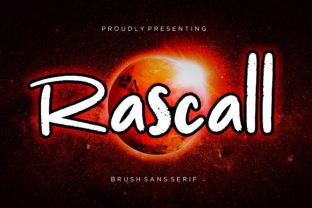
In a digital landscape increasingly saturated with sterile, geometric sans-serifs and overly polished vector graphics, the human touch has become a scarce and valuable commodity. Rascall emerges not merely as a aesthetic choice, but as a strategic tool for brands and creators seeking to bridge the gap between professional polish and authentic expression. As a hand-brushed display font characterized by bold strokes and natural movement, Rascall offers a distinct visual voice that commands attention while retaining an approachable, organic feel. For entrepreneurs, marketers, and designers, the decision to integrate such a typeface into a broader visual identity requires more than a superficial appreciation of its style; it demands a thoughtful alignment with business goals, audience expectations, and long-term branding objectives.
The core value proposition of Rascall lies in its ability to convey energy and craftsmanship simultaneously. Unlike static fonts that can feel impersonal or corporate, the variable stroke widths and textured edges of a hand-brushed typeface suggest that a human hand was involved in the creation process. This psychological cue is powerful. It signals to the viewer that the brand behind the message values creativity, individuality, and perhaps even a degree of rebellion against the status quo. When utilized correctly, this font can transform a standard headline into a statement piece that resonates on an emotional level, fostering a deeper connection with the audience before they have even read the full copy.
Aligning Typography with Brand Positioning and Goals
Selecting a display font like Rascall should never be an afterthought in the design process; it must be a deliberate component of your brand positioning strategy. The bold, dynamic nature of this typeface makes it particularly effective for industries where personality and distinctiveness are key differentiators. Consider craft breweries, artisanal food producers, independent fashion labels, or creative agencies. In these sectors, the product is often sold not just on utility, but on the story and the spirit behind it. Rascall's natural movement mirrors the imperfect beauty of handcrafted goods, reinforcing the narrative of quality and care.
However, strategic use extends beyond industry matching. It involves understanding the specific outcome you wish to achieve with a particular piece of communication. If the goal is to announce a limited-edition release, a summer sale, or a new workshop, Rascall can inject a sense of urgency and excitement that a neutral font cannot. Its heavy weight ensures high legibility even at a distance, making it ideal for packaging, posters, and social media graphics where stopping power is essential. Conversely, using it for body text or complex informational documents would be a strategic error, as its decorative nature can hinder readability over long passages. The wise practitioner knows that Rascall is a spotlight, not the entire stage.
Enhancing Customer Experience Through Visual Consistency
Consistency is the bedrock of trust in branding. When you decide to adopt Rascall as part of your visual identity, it must be applied with discipline across all touchpoints. This does not mean using it everywhere, but rather using it predictably where its impact is highest. A cohesive customer experience is built when a consumer sees the same typographic energy on your website hero banner, your product packaging, and your Instagram stories. This repetition builds recognition. Over time, the specific flair of Rascall becomes synonymous with your brand, allowing customers to identify your content instantly in a crowded feed.
For educators and content creators, this consistency aids in learning and retention. When instructional materials or course headers utilize a distinctive, engaging font, it can break the monotony of standard educational resources, making the material feel more accessible and less intimidating. The "hand-made" quality suggests a personal touch from the instructor, which can lower barriers to engagement for students who might otherwise feel disconnected from dry, academic formatting.
Practical Applications and Decision-Making Frameworks
To maximize the return on investment for your design assets, consider the following framework when deciding whether to deploy Rascall in a specific project:
- Evaluate the Message Tone: Is the message energetic, celebratory, rustic, or bold? If the tone is serious, legalistic, or highly technical, a cleaner, more traditional serif or sans-serif may be more appropriate. Rascall thrives on emotion and action.
- Assess the Medium: Will this be viewed on a small mobile screen or a large print banner? Rascall's thick strokes translate well to both, provided there is sufficient spacing (kerning and leading) to prevent the letters from merging at smaller sizes.
- Consider the Audience Demographics: While versatile, this style particularly resonates with audiences aged 20–50 who appreciate authenticity and modern craft aesthetics. It appeals to those tired of corporate homogeneity.
- Check for Contrast: Ensure you have a complementary secondary font for body copy. Pairing Rascall with a clean, geometric sans-serif or a simple humanist serif creates a balanced hierarchy that guides the eye effectively.
For small business owners operating with limited budgets, investing in a high-quality font like Rascall can be a cost-effective way to elevate perceived value. A well-designed label or logo using this typeface can make a homemade product look premium, justifying a higher price point. It is a tangible asset that continues to deliver value across thousands of impressions without additional recurring costs.
Mitigating Risks and Avoiding Common Pitfalls
Despite its strengths, relying on Rascall without a clear strategy carries risks. The primary danger is overuse. Because the font is so distinctive, using it for every headline, subheader, and call-to-action can create visual fatigue. When everything is bold and loud, nothing stands out. This dilutes the impact and can make the brand appear chaotic or unprofessional. Strategic restraint is essential; treat Rascall as a spice rather than the main ingredient.
Another risk involves context mismatch. Using a playful, hand-brushed font for a somber announcement or a financial report can undermine credibility. It sends mixed signals about the brand's seriousness and reliability. Furthermore, accessibility must always be a consideration. While Rascall is generally legible, its stylized forms may pose challenges for users with certain visual impairments or dyslexia if used in critical navigation elements or small captions. Always test your designs with real users to ensure the artistic flair does not compromise usability.
There is also the risk of trend dependency. Hand-lettered styles have enjoyed a long period of popularity. While Rascall's classic brush structure gives it longevity compared to fleeting fads, brands must ensure their identity is not solely reliant on a current trend. The font should support a deeper brand truth, not mask a lack of substance. If the brand pivots in the future, the typography should be adaptable enough to evolve or be retired without causing an identity crisis.
Long-Term Value and Creative Productivity
Integrating Rascall into your workflow can also enhance creative productivity. Having a go-to display font that you know works well reduces decision fatigue during the design process. Instead of spending hours searching for the perfect typeface for every new campaign, you have a reliable tool in your arsenal that you understand intimately. You know how it pairs, how it behaves in different colors, and how it impacts the mood of a layout. This efficiency allows freelancers and agencies to iterate faster and deliver higher quality work within tighter deadlines.
Moreover, the versatility of Rascall encourages experimentation. Its natural movement invites designers to play with color gradients, textures, and overlays that might clash with more rigid fonts. This can lead to breakthrough creative concepts that differentiate a brand from competitors who play it safe. For publishers and bloggers, using such a font for featured images or quote graphics can increase shareability on social platforms, driving organic traffic and engagement.
Ultimately, the decision to use Rascall should be grounded in a desire to communicate with clarity and character. It is a tool for those who understand that design is not just about making things look good, but about making them work harder to achieve business objectives. By approaching this font with intention—respecting its strengths, acknowledging its limitations, and pairing it with strategic foresight—creatives and business leaders can harness its power to build brands that are not only seen but felt. In a world of digital noise, the bold, natural movement of a hand-brushed font offers a refreshing reminder of the human element, creating a lasting impression that drives results.